Recommended Types of Sunglasses
Most of the sunglasses are designed to protect our eyes from the harmful effects of the sun. The labels on sunglasses usually protect against UV rays and other types of natural radiation. It's important to know what kind of light is needed to protect your eyes, and what types of light are not necessarily harmful.
Blocks 99% of UV rays
It would be best if you always bought sunglasses with this feature. Long-term exposure to ultraviolet (UV) radiation in the sun has been linked to cataracts and eye growth, including cancer. UVB radiation is considered more dangerous to the eyes and skin than UVA radiation.
Both plastic and glass lenses absorb some UV rays, but UV absorption can be improved during manufacturing by adding chemicals to the lens material or by using special lens coatings.
Look for sunglasses that block 99% or 100% of UV rays. Some manufacturers' labels say "UV absorbs up to 400 nanometers." This is the same as 100% UV absorption.
Ground and Polished
Some over-the-counter glasses are ground and polished to improve the quality of the lenses. Non-ground and polished over-the-counter lenses won't hurt your eyes.
impact resistance
All sunglasses must meet impact standards the Federal Food and Drug Administration (FDA) set for safety. No lens is truly unbreakable, but plastic lenses are less likely than glass lenses to shatter when hit by a ball or rock. Most over-the-counter sunglass lenses are plastic. Polycarbonate plastic sunglasses, used in many sports, are particularly tough, but they scratch easily. If you're shopping for polycarbonate lenses, look for ones with a scratch-resistant coating.
polarization
Polarized lenses cut out reflected glare - sunlight bouncing off smooth surfaces such as pavement, car windows, chrome surfaces or water. They are beneficial for driving and fishing. Polarization has nothing to do with UV absorption, but many polarized lenses are now combined with UV-blocking substances. Check the label to make sure the lenses provide maximum UV protection.
lens dark
Medium lenses are fine for everyday wear, but choose a darker lens if you use your glasses in very bright conditions. Color and darkness women's shield sunglasses tell you nothing about how well a lens blocks UV rays.
Photochromic
Photochromic eyeglass lenses automatically darken in bright light and brighten in low light. Most dimming occurs in about half a minute, while lightning takes about five minutes. Photochromic lenses are available in uniform or graduated shades. While photochromic lenses can be good UV-absorbing sunglasses (again, the label must state this benefit), they take time to adapt to different light conditions.
Top 5 Sunglasses That Protect Your Eyes
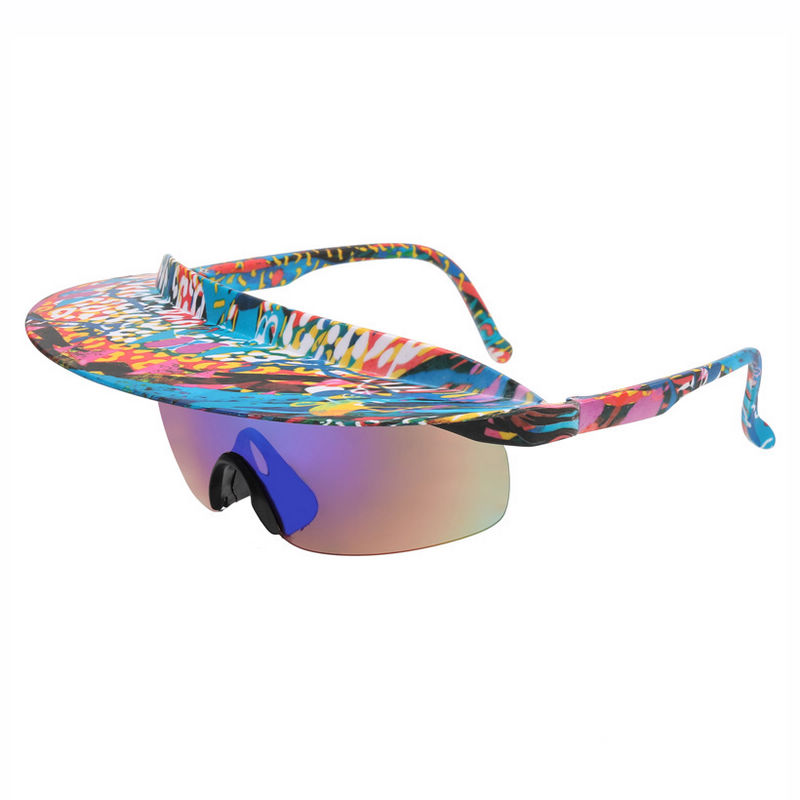


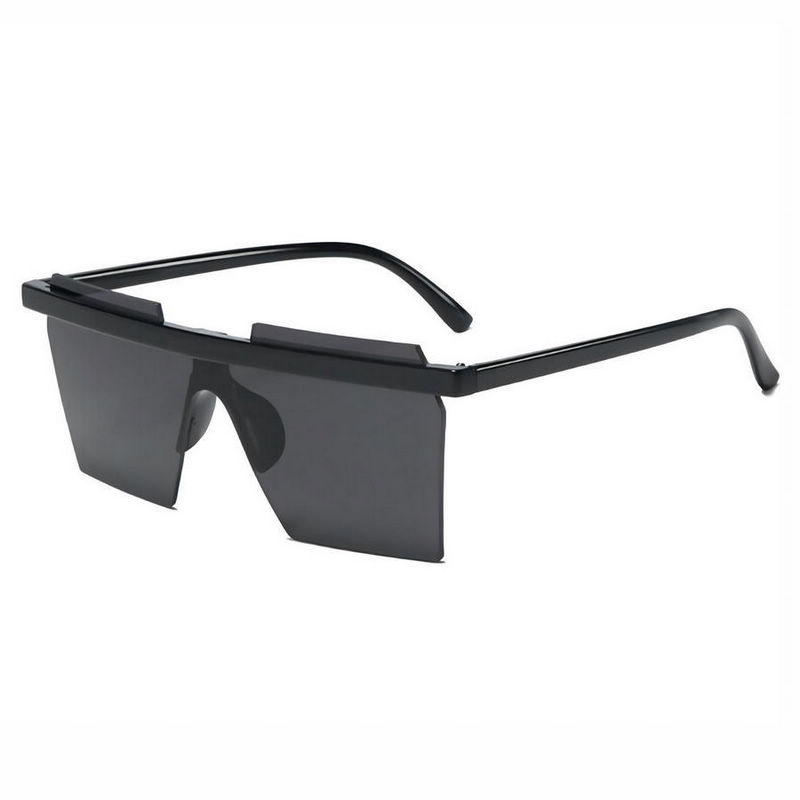
Flat-Brow Semi-Rimless Shield Sunglasses Oversize Square-Shape
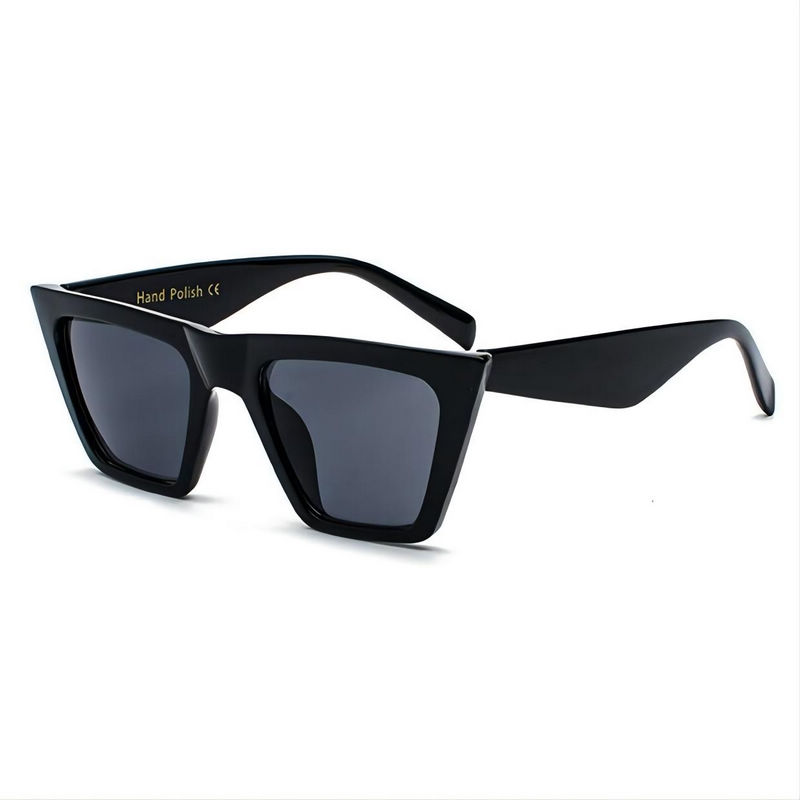

评论